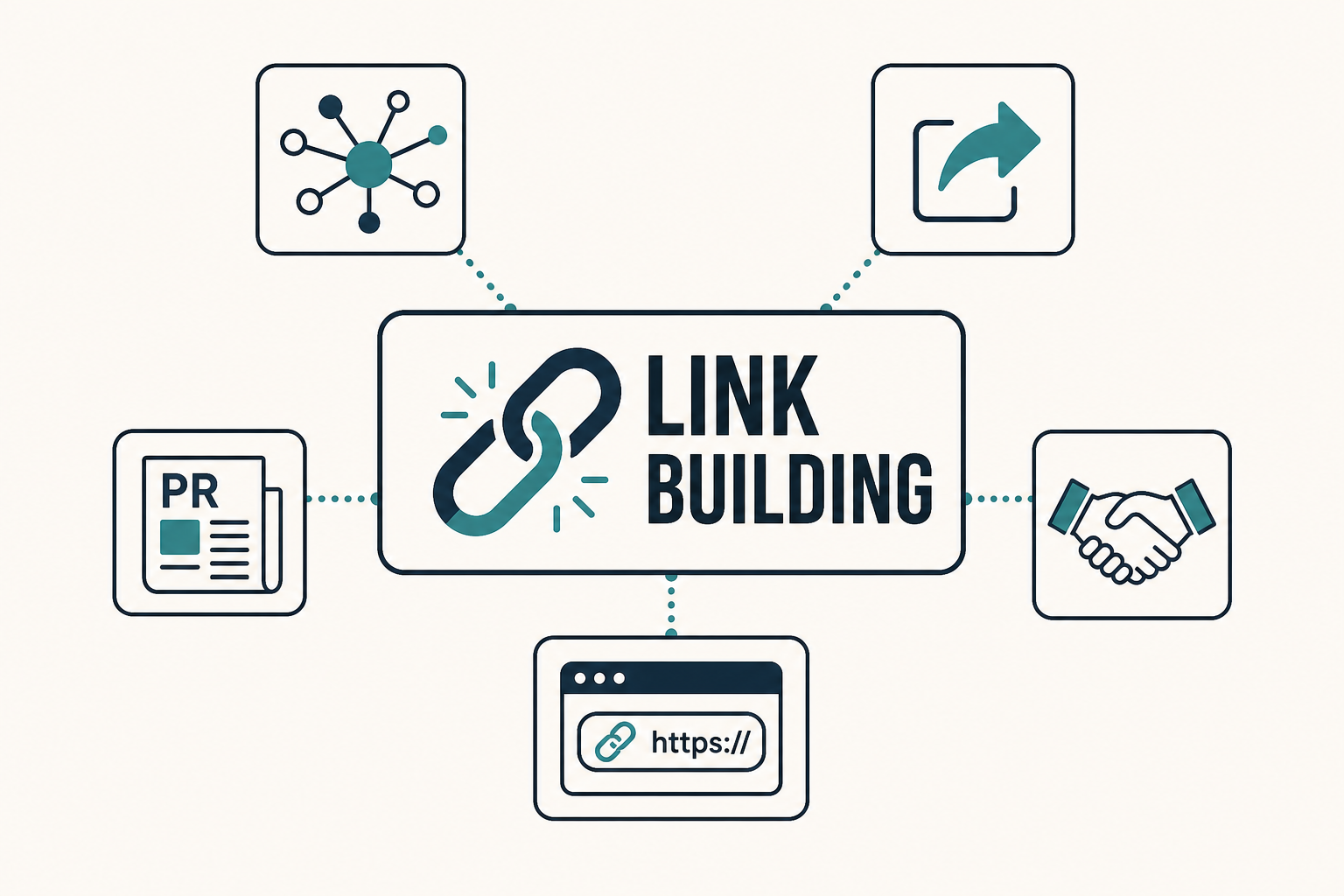
This is Part 8 of the Digital Yeast SEO course. Everything so far — keywords, content, on-page and technical, local — is about making your website strong on its own. Off-page SEO is the opposite direction: the signals other sites send about you. The most important is the backlink.
Why backlinks still matter
A backlink is a link from another website to yours. Search engines treat links like votes of confidence: if enough credible sites link to you, you're probably worth ranking. Google has used links as a core signal since its founding, and despite every algorithm update, high-quality links remain one of the strongest trust and authority signals you can build. AI engines also preference established, linked-to sources when choosing what to cite.
But a crucial shift: it's not the number of links, it's their quality and relevance. A handful of links from credible, on-topic sites beat hundreds of spammy directory links — and the wrong kind of links can now get you into trouble.
The 2026 rules: quality, relevance, earned
Google's spam guidance has quietly removed the old "your site can be penalised for links you don't control" nuance and now focuses on link spam — paid or manipulative link networks. The practical line is clear:
- Earn links because your content or business is genuinely referenced.
- Relevance beats volume: a link from a respected industry site counts for far more than one from an unrelated directory.
- Relevance + authority is the goal. A "digital PR" mention from a credible news or industry outlet is the strongest kind of link.
The flip side: buying links at scale, joining link farms, or mass-posting comment spam is link spam, and it can hurt. If you build a real brand, you build links the trustworthy way — which is exactly what Part 10's plan assumes.
How to earn links (methods that work)
1. Publish genuinely linkable content
The foundation. Real data, original research, genuinely useful guides, or a tool — things people want to reference. Content SEO done well is what makes other sites link to you because they want to.
2. Digital PR and publicity
Get mentioned and linked by news outlets, industry blogs, podcasts and roundups. Offer expertise, comment on industry trends, share original data. One strong editorial mention can outperform hundreds of directory links.
3. Local citations and partnerships
For local businesses, local directories, chamber listings, supplier pages and business partnerships all create contextual links and mentions. This is the intersection of link building and local SEO.
4. Guest contributions
Writing a genuinely useful article for a respected site in your field (with a natural, relevant link back) remains effective — when it's real content on a real site, not a spammy "guest post" network.
5. Unlinked brand mentions
Find sites that mention your business without linking, and ask (politely) for the link. People often mention brand names without hyperlinking — a quick, legitimate win.
What to avoid
- Buying links in bulk or through "PBNs" (private blog networks).
- Spammy directories and link-farm submissions at scale.
- Irrelevant comment/profile spam.
- Over-optimised anchor text — always using the exact keyword as the link text looks manipulative.
If a tactic feels like gaming the system rather than being referenced, don't do it. Google explicitly targets link spam, and a bad-link profile takes time to recover from.
Brand mentions and off-page trust
Links aren't the only off-page signal. Brand mentions without links, online reviews, social references and consistent NAP/entity data all contribute to the trust profile that engines use to decide whether you're an authority. This ties directly into the E-E-A-T trust signal from Part 5: the web's overall picture of you.
Your off-page starting checklist
- Audit current links — who's already linking to you, and are they relevant?
- Create one linkable asset — a genuinely useful guide, dataset or tool.
- List 10 relevant sites you could earn a mention or guest post on.
- Clean up NAP/citations for consistency (per Part 7).
- Reclaim unlinked brand mentions.
Where this fits the course
Off-page authority is what makes all your on-page and content work count for more. Next, we'll cover the practical side of measuring it all: SEO tools and audits. Browse the whole course any time.
This is Part 8 of the Digital Yeast modular SEO course. Parts: 5: Content SEO, 7: Local SEO, 9: SEO Tools & Audits. Start at Part 1 if you're new.
Comments (0)
No comments yet. Be the first to share your thoughts!
Leave a Comment
Your email address will not be published. Required fields are marked *